





From Zero to Hero: 5 Infallible Tips to Get Started in Calisthenics and Achieve Your Goals
Do you want to increase your strength, endurance, and flexibility, but don't like going to the gym or don't have access to one? If so, calisthenics could be the ideal solution.
Calisthenics is a physical training discipline that uses your own body weight as resistance and offers a variety of exercises and movements that can be adjusted to any fitness level.
In this article, we'll give you five tips to get started and grow in this discipline. We had the opportunity to speak with Eduardo Ruiz, the founder of CalisteniaCR , who shared tips based on his experience to help you take your first steps in this discipline.

Eduardo shared his perspective on this sport, which focuses on body control, feeling our bodies, and being able to control them. He also mentioned that calisthenics has many values, such as community, mutual support, and lifestyle, and that they see it as much more than just a sport.
Ruiz has been practicing this sport for 4 years , he started in Switzerland and later took a course with StreetWorkout.com as a coach, he also had open classes, participation in events and was part of the show team.
He is also certified by the Spanish Street Workout and Calisthenics Federation and currently coaches for the Swiss Sports Association, which oversees sports programs at universities in Zurich. He leads two to three training sessions per week, all of which are bodyweight workouts.

5 Tips to Get Started in Calisthenics
-
Clearly define our objectives:
It's important to be clear about our goals in order to determine if calisthenics is truly the best way to achieve them. We must keep in mind that calisthenics focuses on gaining control of our bodies and mastering specific positions.
Some people sometimes want to get into calisthenics to achieve a great physique, but that's not the main goal of calisthenics, because with this discipline we will learn to feel our body and have good body control.
-
Be self-critical:
In calisthenics, we always try not to look at others and only look at ourselves. Therefore, it is always recommended that you record yourself or train with someone watching you. This is so that you can see if you are doing the exercises with good or bad form, and if you are doing them with bad form, practice and practice until you have the necessary strength to perform them in the best way.
-
Research and learn about different progressions and regressions of exercises that we want to achieve.
Many calisthenics exercises that are very difficult have other exercises that will help us reach our final goal. Therefore, it is very important that we look for and ask what other exercises of lesser difficulty we can perform to achieve a specific skill and thus have a step-by-step process and progressively improve in the right way.
- We shouldn't assume that everything will work out perfectly the first time:
-
Training principles:
Among the training principles are the principles of individuality and specificity, two very important principles in calisthenics. The principle of individuality means that we are all different, and this also applies to training; we have to understand that what worked for one person won't necessarily work for us.
Specificity means that our body progresses specifically in what we train it to do. Why is this important in calisthenics? Because calisthenics includes static and dynamic skills, as well as sets and reps. The best way to train a skill is to focus specifically on that exercise and not try to supplement it with other areas.
Finally, Ruiz specifies that all these points are equally important , that none takes precedence over the others, and that they should keep this in mind during their training. She also emphasizes the importance of getting to know your body, understanding what works for you and what doesn't.

In 2022, Ruiz started this great project called CalisteniaCR, with the goal of promoting this discipline in Costa Rica and formalizing it on the competitive side, so that athletes have more support and people in the country learn more about this sport, since many still do not know what calisthenics is.
How is CalisthenicsCR achieving its goal?
In January and February of 2023, they held calisthenics workshops in Costa Rica with the participation of approximately 80 people, where they managed to teach what calisthenics is, training principles, how to start training in this sport, different skills, and how to develop all those skills.
They organized a training session with advanced calisthenics athletes to showcase this discipline in the country, conducted a tour, and recorded various videos so that more people could learn about calisthenics.
They also held a competition where 30 athletes participated in two modalities: one in the freestyle modality and the other in Sets & Reps. The latter consists of doing maximum repetitions in the exercises muscle ups, dips, pull-ups and push-ups, in that order and with a minute of rest between exercises.
A national competition will be held on September 24, 2023, at the Doer Fitness facilities. This event will have a virtual qualifying round, and the idea is that people from all over the country can participate.
"If an athlete from Liberia or Perez Zeledon wants to attend and passes that qualifying phase, we would try to find the means to make it easier for that athlete to attend the competition," Ruiz explained.
This upcoming competition would also feature two modalities: freestyle and muscle ups.
Ruiz invites everyone to follow @Calistenia.cr on social media to learn more about this great competition coming in September and to be a part of it.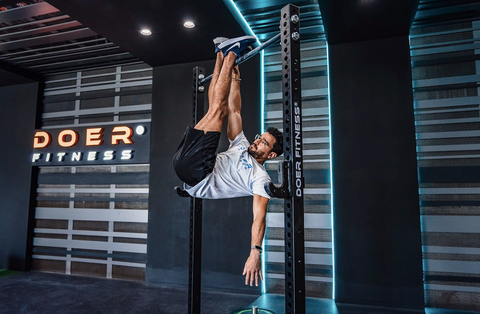
What equipment do I need to do calisthenics?
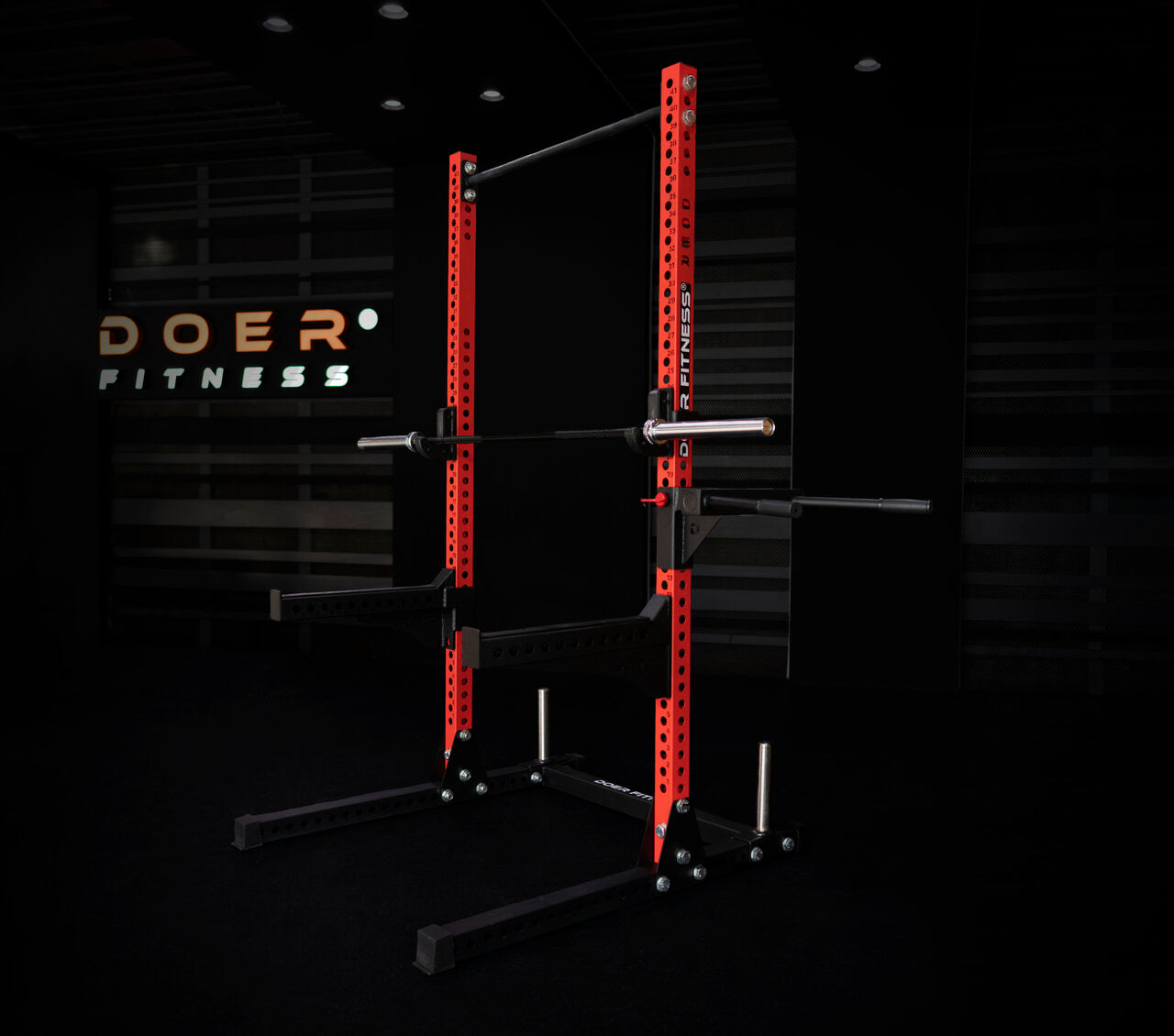
To do calisthenics, you don't need much equipment or materials. Calisthenics focuses on bodyweight exercises, so you can do many exercises without any equipment. However, there are some items that can help you perform certain exercises more easily:
- Pull-up bar: A pull-up bar is essential for exercises like pull-ups, which work the muscles of the back, shoulders, and arms.
- Rings: Rings are useful for doing exercises like dips, pull-ups and muscle-ups, which work the upper body.
- Parallel bars: Parallel bars are another useful piece of equipment for exercises like dips, which work the triceps and shoulders.
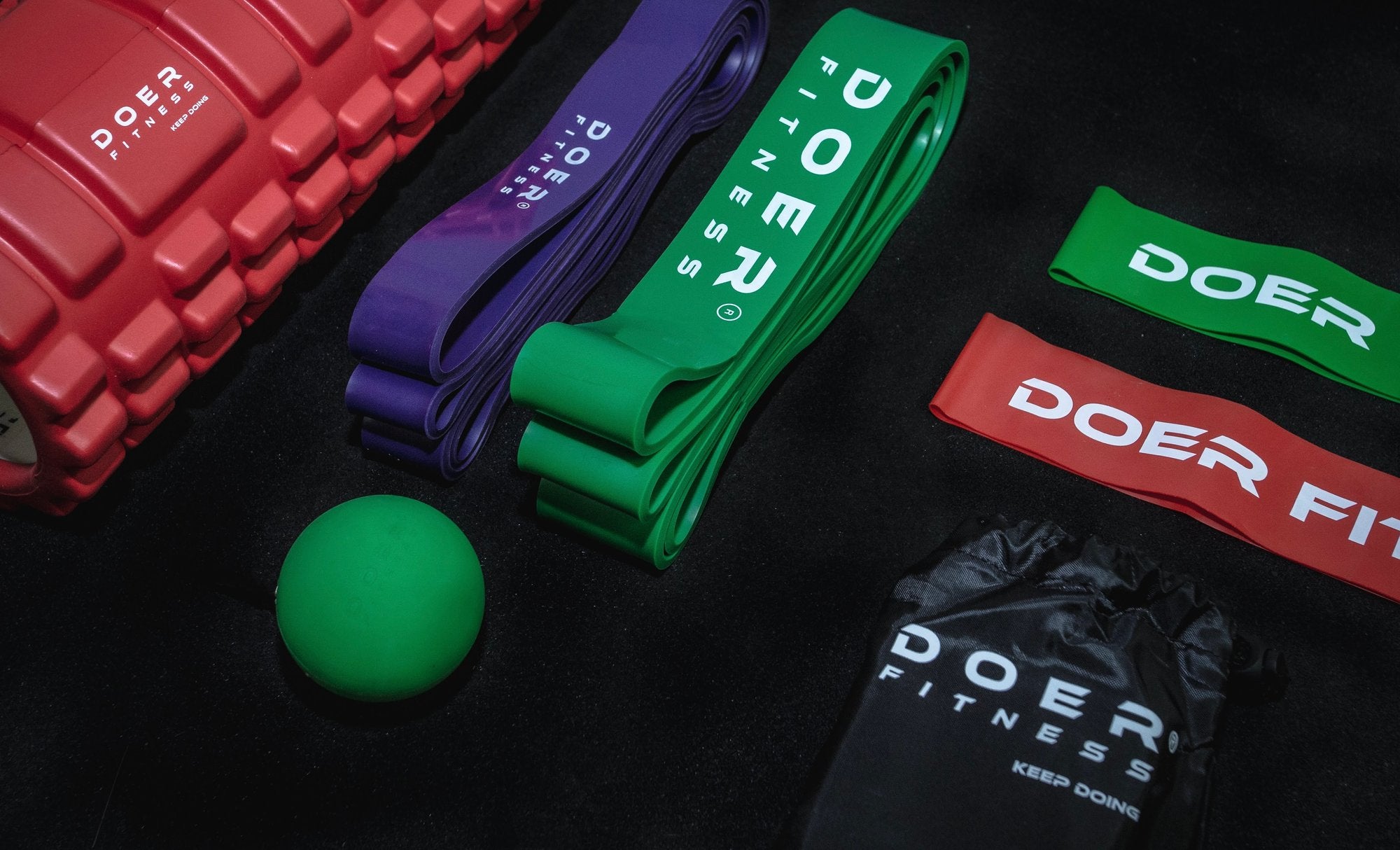
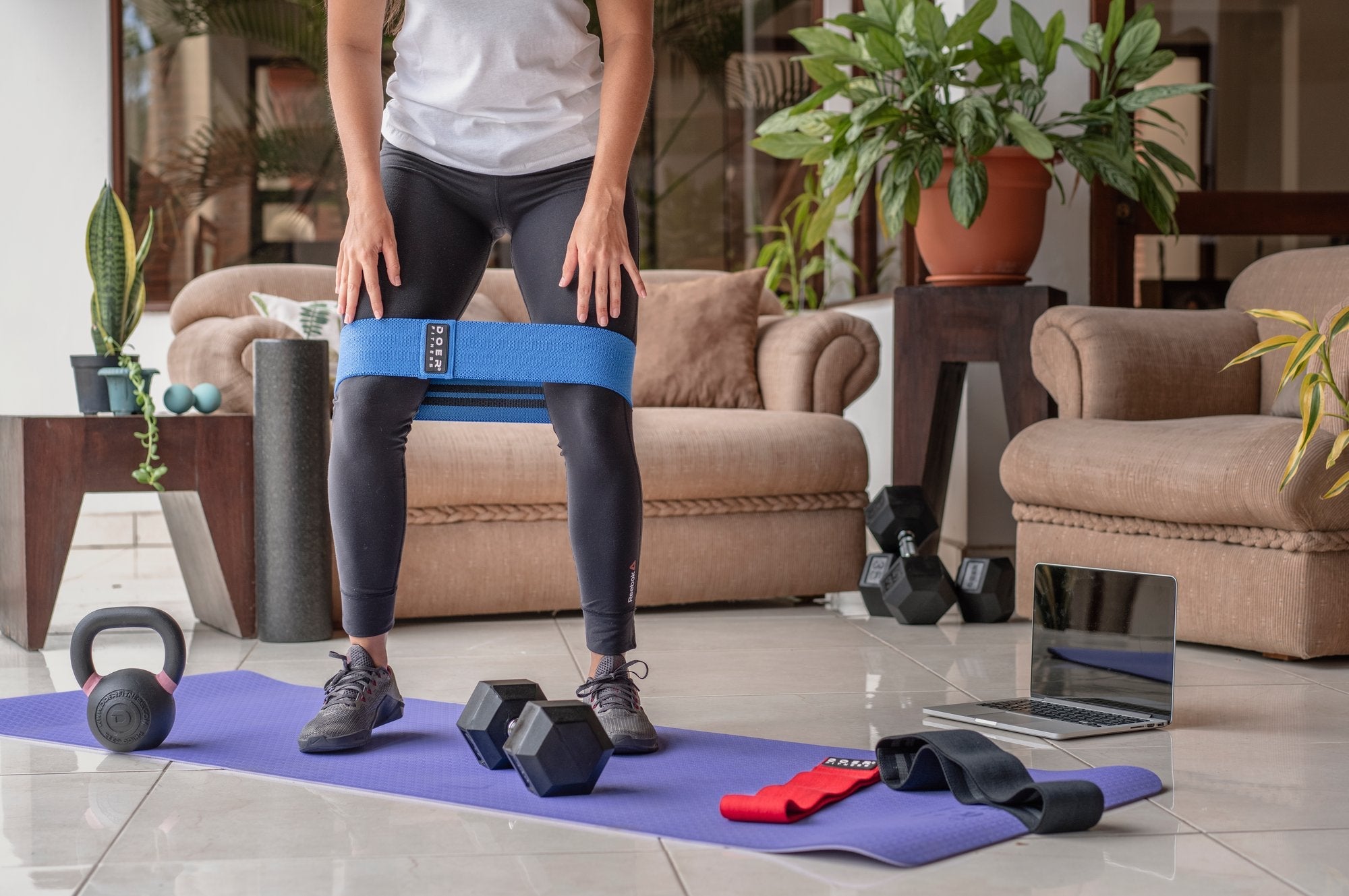
- Resistance bands: Resistance bands are very useful for adding resistance to exercises such as push-ups and pull-ups.
- Mat: A mat can help you perform exercises like planks and push-ups more comfortably.
Remember that you can also do many exercises without equipment, such as squats, planks, push-ups, and burpees. In general, the most important thing is to make sure you have a comfortable and safe space to perform the exercises and to warm up properly before starting any calisthenics routine.
Leave a comment